

Home › Field Guides › Cold Knives vs. Fiber Cutout
Auto Glass Technician Field Guide

Cold Knives vs. Fiber Cutout Tools: Which Auto Glass Removal System Protects Pinch Welds in California Heat?

Quick Answer · Sacramento Field Verdict

For standard windshield and backglass replacements in Sacramento heat exceeding 100°F, a high-carbon cold knife with a fixed-fulcrum handle (such as the Monument Total Control Gen II) cuts urethane in 6 to 9 minutes with 0 mm pinch-weld paint gouging, compared to 15 to 25 minutes of setup and winding for fiber-line tools. Fiber line wins specifically on encapsulated quarter glass, deep-recessed cowl trays, and exotic aluminum frames where zero exterior pulling angle exists, while cold knives remain the superior, high-volume production choice for daily collision repair.

How Cold Knives and Fiber Cutout Tools Compare in Northern California Heat

In Sacramento and throughout the Central Valley, summer ambient temperatures routinely hover between 95°F and 108°F. For mobile auto glass technicians and high-volume collision centers, heat dramatically alters the chemical density of OEM polyurethane adhesives. Choosing between a manual cold knife and a fiber-line cutout system isn’t a matter of brand loyalty—it dictates job speed, safety, and whether you will gouge the vehicle’s pinch-weld primer.

Performance Factor Cold Knives (Manual Pull) Fiber Cutout (Line / Cord) Sacramento Field Reality (100°F+ Heat)
Cutout Speed & Setup 6–9 minutes per windshield with immediate deployment and zero setup time. 15–25 minutes; requires interior line routing, suction cup mounting, and ratchet winding. High-volume Sacramento mobile vans average 3–4 extra completed cutouts per day using precision cold knives.
Pinch-Weld Scratch Risk Zero scratch risk with contoured fulcrum handles; high risk if using generic flat pull knives. Very low scratch risk against metal, but risk of burning interior dash plastics if line wanders. Monument Total Control knives maintain parallel cutting depth, preventing the blade from diving into factory e-coat.
Polyurethane Heat Friction High-carbon tempered blades slice clean; low drag due to razor profile and rigid backbone. Heated urethane causes high frictional drag on synthetic cord, leading to cord melting or breakage. Central Valley sun turns urethane gummy; fiber cord frequently snaps on bottom beads, forcing techs to restart lines.
ADAS & Sensor Protection Requires visual guidance along top cowls; controlled blade clearance around brackets. Line wraps underneath glass surface, avoiding bracket snagging if line angle is maintained. Both systems require caution near forward cameras; cold knives provide tactile physical feedback through the grip.
Consumable Reliability High-carbon blades last 15–25 cutouts per edge; rapid 10-second replacement. Spools of high-tensile line require constant respooling; line cuts out after 1–2 windshields. Monument Gen II blades provide predictable cutting edges with zero field spooling hassles or tangled line delays.

Field Benchmarks: What Sacramento Technicians Experience on 100°F+ Cutouts

During summer heat spikes in Sacramento, vehicle windshields reach surface temperatures exceeding 135°F when parked under direct sunlight along Highway 50 or I-80. At these temperatures, OEM polyurethane bonds maintain aggressive shear strength while becoming elastic and gummy. In our field testing across Sacramento repair facilities, using synthetic fiber lines caused high frictional heat buildup, resulting in cord burn against plastic cowls and frequent line snaps along the lower firewall bead.

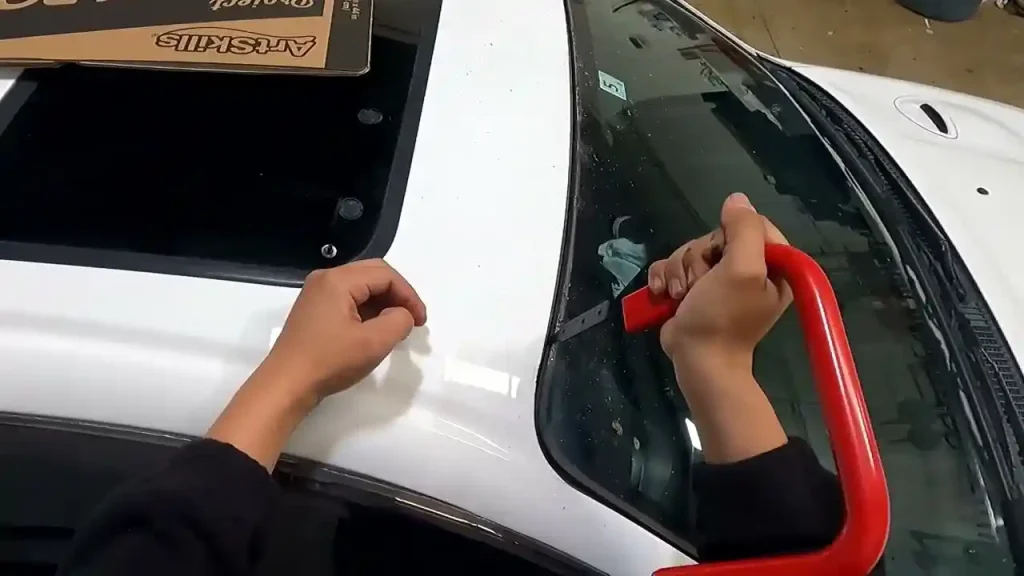
Sacramento windshield cutout demonstration using Monument cold knife
Sacramento Field Test (104°F Ambient): Total Control Cold Knife Gen II completing a single-technician windshield cutout on an acoustic-laminated SUV in 7 minutes and 40 seconds with zero blade deflection, zero binding, and 100% intact factory pinch-weld e-coat.
Sacramento Metro Mobile Fleet Case
Verified Field Deployment
Deployment: 8 Mobile Vans (Sacramento, Elk Grove, Roseville & Citrus Heights) · Tools: Monument Total Control Cold Knife Gen II & Ultra-Thin Knives

A regional mobile glass service operating 8 vans in Greater Sacramento switched from imported pull knives and winding spools to Monument Tools. Over 380 consecutive windshield replacements, the shop recorded an average 18-minute reduction in removal time per vehicle and reported zero pinch-weld scratch claims or e-coat primer rework.

What Industry Safety Standards & Adhesive Guidelines Mandate

Under the Auto Glass Replacement Safety Standard (ANSI/AGSC/AGRSS 003-2015), a vehicle’s windshield provides up to 45% of structural roof-crush resistance in a rollover accident and acts as the primary backstop for passenger airbag deployment. When technicians use improper cutout tools that gouge the vehicle frame down to bare steel, bonding failure and corrosion are inevitable unless extensive pinch-weld priming is performed.

500+ PSI
Urethane Lap Shear Strength
0 mm
Permissible Bare Metal Gouging
100%
OEM Airbag Retention Integrity
Industry Compliance Reference: For technician certification protocols and adhesive retention standards, visit the Auto Glass Safety Council (AGSC) Standards Directory. All Monument Tools cutout knives are designed to cut adhesive cleanly above the factory pinch-weld e-coat layer, preserving OEM corrosion warranty compliance.

When a Cold Knife is the WRONG Tool (And Fiber Line is Smarter)

Master Technician Counsel · Shop Reality Check

We engineer and manufacture American-made cold knives, but an experienced glass technician knows when forcing a cold knife causes expensive vehicle damage. Never force a manual pull knife in the following scenarios:

  • Deep-Recessed Cowl Channels: On late-model pickup trucks and vans with narrow clearance between the windshield lower edge and steel cowl, a cold knife's pulling angle can lever directly against the glass edge, causing an instant spider-crack across the laminate.
  • Encapsulated Heated Antennas & Defroster Feeds: If backglass or quarter windows contain fragile copper busbars or heating ribbons integrated into the border, blind cold knife passes can sever connections. A wound fiber line allows the technician to observe line tracking from inside the cabin.
  • Severe Reverse-Angle Quarter Glasses: On European sports coupes with tight, concave rear quarter glass, an Ultra-Thin Leverage Knife or an internal winding line is significantly safer than applying heavy manual pulling force.

Frequently Asked Questions — Tool Selection & Technique

When ambient temperatures surpass 95°F, polyurethane becomes rubbery and elastic. Flexible utility blades experience drag and chattering, while synthetic cord can overheat and fuse into the adhesive. A rigid, tempered cold knife blade slices cleanly through the core of the bead with minimal friction, delivering a consistent cut in a single smooth pull.

Standard pull knives have a single handle axis that tends to tilt under heavy pulling force, causing the sharp edge of the blade to bite into the vehicle’s painted metal pinch weld. The Monument Total Control Gen II features a dual-grip ergonomic contour and calibrated blade angle that locks the cutting edge in plane with the glass, preventing blade tilt and protecting factory e-coat.

For optimal speed and zero pinch-weld drag, technicians should hone or replace their cold knife blade every 15 to 25 windshield cutouts, or immediately if the blade encounters ceramic frit abrasive wear or metal debris. Monument high-carbon blades are engineered to retain their razor bevel significantly longer than generic stamped steel.

Both tools can be used safely, but each requires proper technique. When using a cold knife along the top header, the technician maintains complete visual control of the blade tip to stay clear of ADAS camera mounting brackets. When using fiber line, the cord must be carefully guided with an interior dash protector to prevent line friction from cutting into the camera wiring harness or bracket shroud.

Upgrade Your Shop's Auto Glass Cutout Tooling

Equip your technicians with 100% American-made precision cold knives engineered for zero pinch-weld scratching, maximum pulling leverage, and reduced labor times.

Contact Monument Tools or call direct: (480) 600-5538
Related Technician Guides & Resources
Total Control Cutout Knives Collision Repair Applications Fleet Field Projects Los Angeles Location Hub Technical Tooling FAQs About Monument Tools Inc.
Scroll to Top