

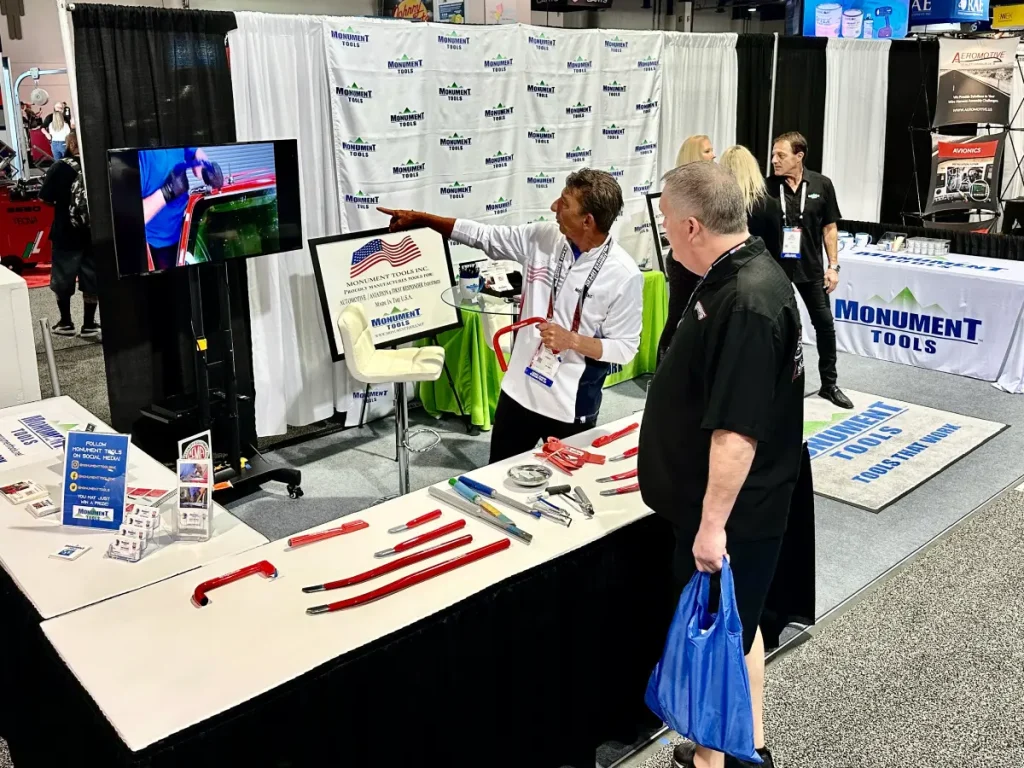
Auto glass removal demands control, patience, and the right blade. A good cold knife technique protects the pinch weld, the paint, and your hands. In Sacramento, California, busy shops handle everything from fleet vans to daily driver windshields.
Because of this, technicians here need tools that hold up under constant use. Monument Tools designs precision cutters for exactly these conditions. Our founder ran an auto glass shop for two decades, so every detail comes from real jobsite experience.
In this guide, we share practical methods, safety tips, and shop-tested advice. Whether you cut two windshields a week or twenty, these fundamentals help.
Why Cold Knife Technique Matters in Sacramento Shops
Sacramento sees heavy commuter traffic and a steady flow of collision work. As a result, local shops process a high volume of glass jobs. A clean cut saves time and prevents costly rework.
Meanwhile, a rushed cut can scratch the frame or nick the paint. Therefore, mastering the cold knife pays off on every job. Good technique also reduces installer fatigue over a long shift.
Local Conditions That Affect Glass Work
The Central Valley heat can soften urethane during summer. However, cooler mornings in Roseville or Elk Grove firm it back up. Because temperature changes the cut, smart techs adjust their approach.
Additionally, dust and grit are common on jobsites near Folsom and Rancho Cordova. For example, debris under a blade can drag and skip. Therefore, keep your work area clean before you start cutting.
The Fundamentals of a Clean Cold Knife Cut
A cold knife slices the urethane bead that bonds glass to the body. First, you insert the blade between the glass and the frame. Then, you work the blade along the bead in steady strokes.
Control matters more than force. Therefore, let the blade do the work and guide it smoothly. Our Total Control Cold Knife and the Gen II model are built for this steady, guided motion.
Step-by-Step Basics
- Prep the area first. Remove trim and clean the perimeter.
- Choose the right blade. Match blade length to the bead depth.
- Start at a corner. Corners give you a solid entry point.
- Keep the angle low. A shallow angle protects the pinch weld.
- Use even pressure. Steady strokes cut cleaner than hard shoves.
Next, keep your free hand clear of the blade path. Because these tools are sharp, cut resistant gloves add protection. Finally, inspect the frame after removal for any leftover urethane.
Choosing the Right Blade for the Job
Not every windshield sits in the frame the same way. Therefore, blade selection shapes your whole approach. Thicker beads need a firmer, more aggressive cut.
Our universal-fit Cold Knife Blades work across many jobs. Meanwhile, the Ultra Thin Leverage Knife shines in tight, low-clearance spots. On the other hand, the Total Control Straight Knife handles straight runs with ease.
Matching Tools to Vehicle Types
Fleet trucks around Sacramento often have deep-set glass. As a result, a longer blade reaches the full bead. Compact cars, however, may need the thin leverage knife.
Additionally, first responders sometimes need fast, safe access. For that work, our 3-in-1 multi-use tool supports rescue tasks. Because the right tool speeds the job, keep a few options ready.
Protecting the Vehicle During Removal
Zero-damage removal is the goal on every job. First, tape or cover painted edges near the glass. Then, keep the blade angle flat against the body.
Because scratches lead to comebacks, patience protects your reputation. Moreover, a damaged pinch weld can weaken the new bond. Therefore, careful work today prevents leaks tomorrow.
Common Mistakes to Avoid
- Cutting too deep. This risks the paint and metal.
- Forcing the blade. Force causes skips and scratches.
- Skipping cleanup. Leftover urethane ruins the new seal.
- Using a dull blade. Dull edges drag and tear.
For deeper guidance on proper bonding surfaces, the National Highway Traffic Safety Administration shares vehicle safety standards worth reviewing. Furthermore, following manufacturer prep steps supports a strong, safe install.
Workflow Efficiency for High-Volume Shops
Speed and quality can work together. Therefore, an organized workflow keeps both in balance. First, stage your tools before the vehicle arrives.
Next, group similar jobs to reduce blade swaps. Meanwhile, keep spare blades within reach. Because downtime costs money, small habits add up over a week.
Tips for a Faster, Cleaner Bay
- Keep blades sharp. Fresh edges cut faster.
- Standardize your setup. Every tech knows where tools live.
- Wipe frames promptly. Fresh urethane cleans easier.
- Track your consumables. Reorder before you run out.
Shops in Davis and West Sacramento often run tight schedules. As a result, a consistent process protects quality under pressure. You can explore the Monument Tools product lineup to build a reliable kit.
Maintaining Your Cold Knives and Blades
Good tools last longer with simple care. First, wipe blades clean after each job. Then, store them dry to prevent corrosion.
Because urethane hardens fast, quick cleanup helps. Additionally, inspect handles for wear and comfort. Our tools focus on ergonomic control, so a solid grip stays reliable.
Signs It Is Time to Replace a Blade
- Dragging or skipping. The edge has dulled.
- Visible nicks. These leave rough cuts.
- Extra effort needed. A worn blade slows you down.
Therefore, keep universal-fit blades on hand for quick swaps. Meanwhile, a sharp blade improves both safety and speed.
Frequently Asked Questions
What is the best cold knife technique for beginners?
Start slow and keep the blade angle low. Then, use steady strokes instead of force. Practice on older glass jobs first.
How do I avoid scratching the pinch weld?
Keep the blade flat against the body. Additionally, clean the area before cutting. Because grit causes skips, a clean surface protects the metal.
Which knife works best for tight spaces?
The Ultra Thin Leverage Knife fits low-clearance areas well. Therefore, it helps on compact cars and tricky corners.
How often should I replace cold knife blades?
Replace a blade once it drags, skips, or feels dull. As a result, you keep cuts clean and safe.
Where can I buy Monument Tools products?
You can ask about availability through Walmart, Grainger, Fastenal, or Cornwell Tool. Contact our team to find the right fit.
Build Your Kit for Precision Work
Great glass work starts with great tools. Because Monument Tools designs and manufactures in the USA, quality stays consistent. Our motto says it best: Tools That Work. Built for Precision.
Whether you work in Sacramento, Roseville, or Elk Grove, we support your craft. Therefore, choose tools built from real shop-floor experience. Contact the Monument Tools team to find the right tool for your work.